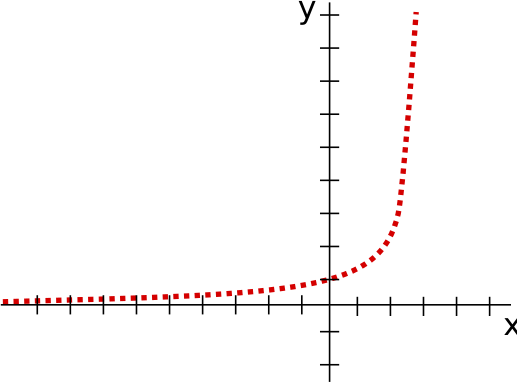
Y = a / b if the degree of the numerator, P(x), is equal to the degree of denominator, Q(x), where a is the leading coefficient of P(x) and b is leading coefficient of Q(x) In this case, f(x) → a / b as x → ±∞ An example of a function with horizontal asymptote y = 1
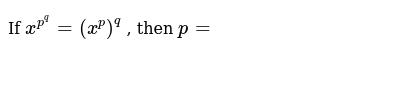
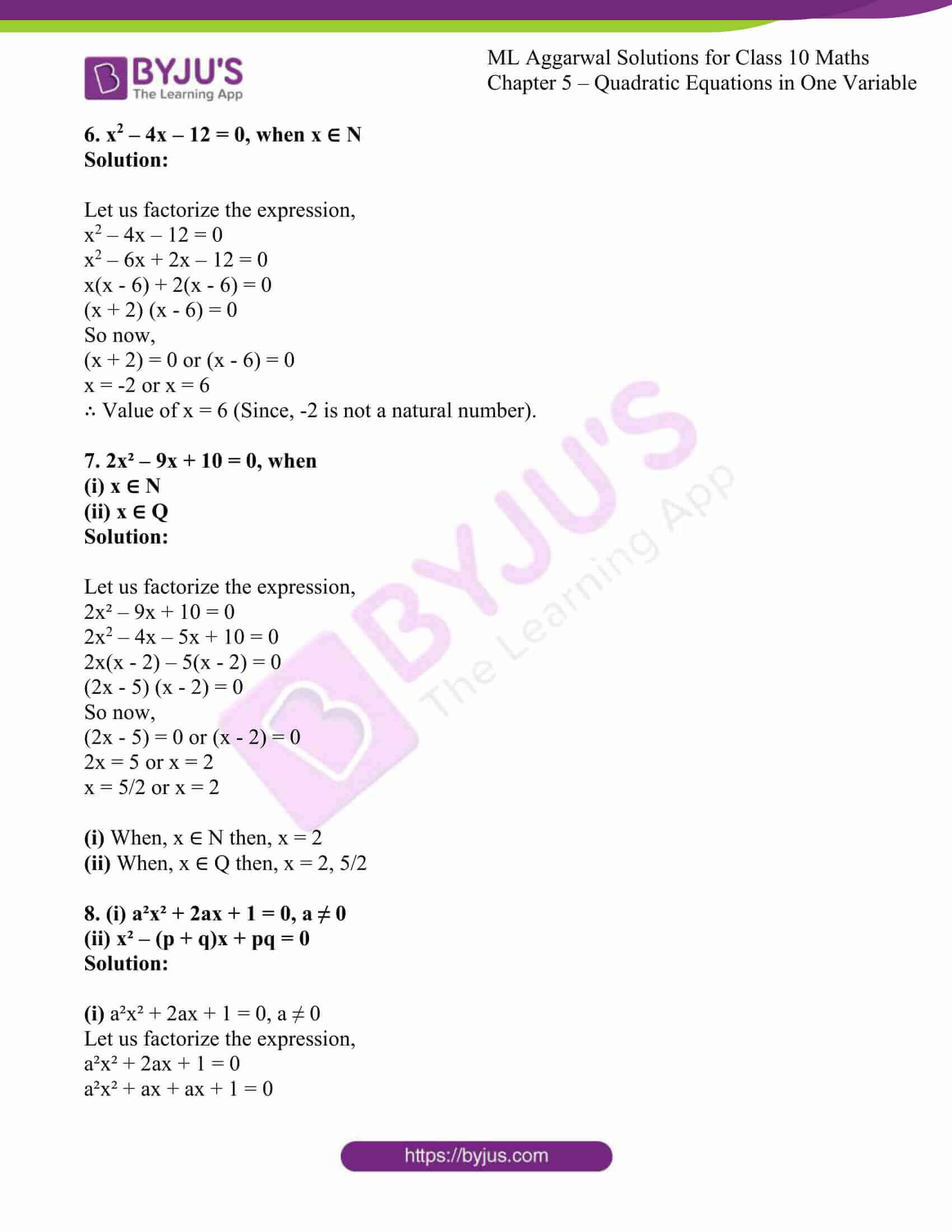
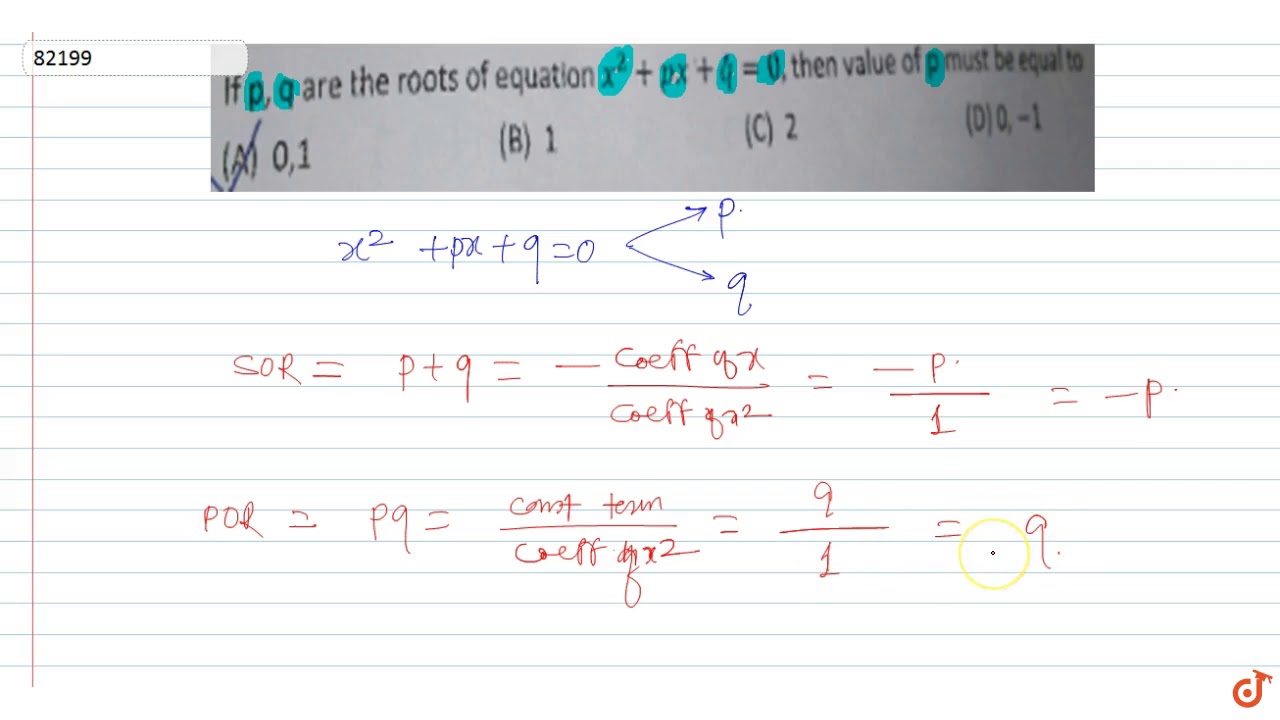
If x^p^q=(x^p)^q then p=-A quadratic equation in 'p' and 'q' is a factored quadratic equation which is written as follows `y = a(x p)(x q)` In the above quadratic equation, the variables are y and x whereas the constants are a, p and q, that is, in place of a, p and q you will generally find numbers thereTo solve the equation p(x q) = r, follow these steps 1 Divide both sides by p p(x q) / p = r / p;
If x^p^q=(x^p)^q then p=のギャラリー
各画像をクリックすると、ダウンロードまたは拡大表示できます
 | ||
 |  | |
 |  |  |
 | ||
「If x^p^q=(x^p)^q then p=」の画像ギャラリー、詳細は各画像をクリックしてください。
 |  | |
 |  |  |
 | ||
 | ||
「If x^p^q=(x^p)^q then p=」の画像ギャラリー、詳細は各画像をクリックしてください。
 |  |  |
 |  | |
 | ||
 |  |  |
「If x^p^q=(x^p)^q then p=」の画像ギャラリー、詳細は各画像をクリックしてください。
 |  | |
 |  | |
 | .png "23rd Ans Plz Q 23 If X P 2q P 2qp 2q P 2q Then Show That Qx2 Px Q 0 Maths Number Systems Meritnation Com") | |
 |  |  |
「If x^p^q=(x^p)^q then p=」の画像ギャラリー、詳細は各画像をクリックしてください。
 |  |  |
 |  | |
 |  | |
 | ||
「If x^p^q=(x^p)^q then p=」の画像ギャラリー、詳細は各画像をクリックしてください。
 |  | |
 |  |  |
 |  | |
 | ||
「If x^p^q=(x^p)^q then p=」の画像ギャラリー、詳細は各画像をクリックしてください。
 |  | |
 |  | |
 | ||
「If x^p^q=(x^p)^q then p=」の画像ギャラリー、詳細は各画像をクリックしてください。
 |  |  |
 |  | |
 | ||
 |  |  |
「If x^p^q=(x^p)^q then p=」の画像ギャラリー、詳細は各画像をクリックしてください。
 |  | |
 |  |  |
By our definition above, that means that for every x, P(x) is true and Q(x) is true This implies that for any x, P(x) is true and for any x, Q(x) is true, which is the statement appearing after the ↔ If we start from the statement appearing after the ↔, then we know that for any x, P(x) is true and for any x, Q(x) is true Then for all x2 Answers2 Your proof is fine, up to a little typo It should be M = φ − 1 ( 1) instead of M = φ ( 1) Use Jensen's inequality The function f ( x) = − log f ( 1


0 件のコメント:
コメントを投稿